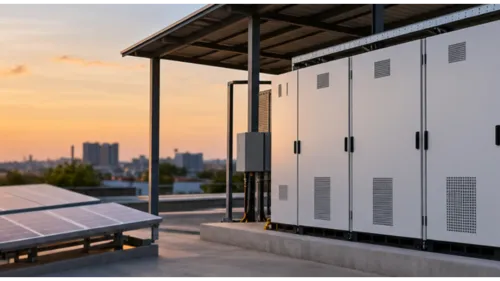
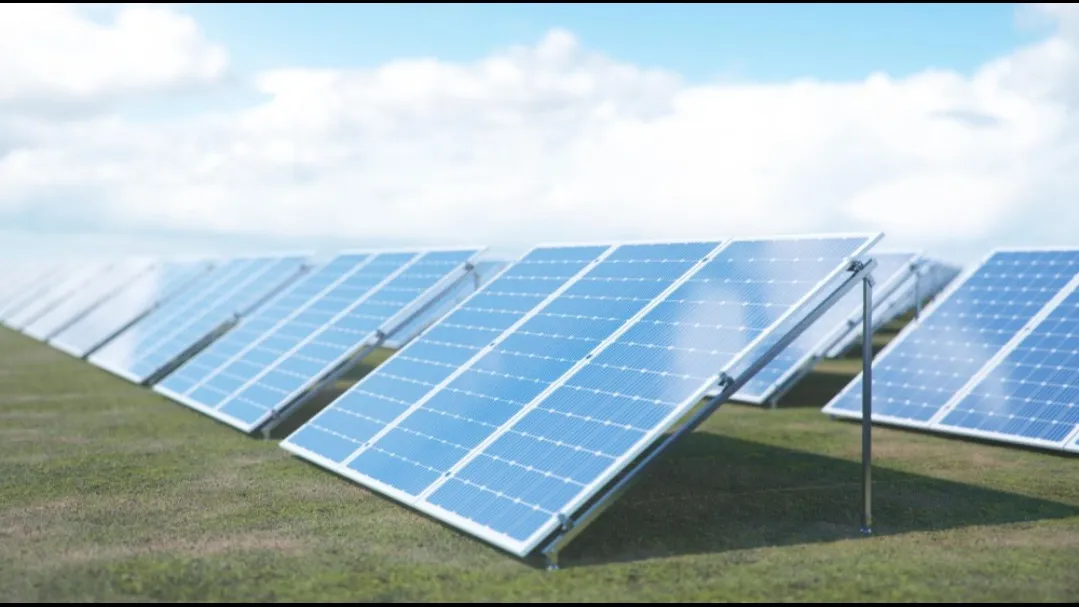
For properties where access to the electricity grid is limited or unreliable, an Off Grid Solar system can provide a dependable source of power. Unlike on-grid systems that rely on the utility network, off-grid solar installations generate electricity through solar panels and store excess energy in batteries for use whenever required. These systems are commonly used in remote homes, farms, rural businesses, construction sites, and locations where extending the electricity grid is not practical.
Before investing in an off-grid solar system, it is important to understand how it differs from a conventional rooftop solar installation. Since there is no connection to the electricity grid, every unit of electricity consumed must either be generated by the solar panels or stored in the battery bank. This makes proper system design critical to ensure uninterrupted power throughout the year.
The first step is to calculate your daily electricity consumption. Make a list of all appliances you intend to operate, including:
- LED lighting
- Ceiling fans
- Water pumps
- Refrigerators
- Televisions
- Computers
- Agricultural equipment
- Small machinery
Knowing the wattage and daily operating hours of each appliance helps estimate the system capacity accurately.
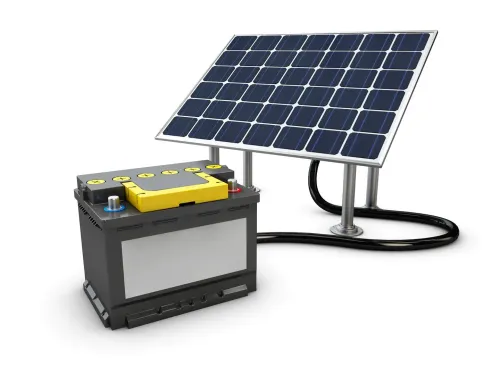
Another important factor is battery storage. Since solar panels generate electricity only during daylight hours, batteries supply power at night and during cloudy weather. Choosing the right battery capacity ensures that essential appliances continue functioning without interruption.
When evaluating an off-grid system, consider these key components:
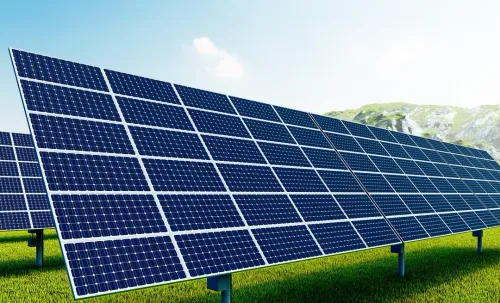
- High-quality solar panels
- Battery bank with suitable storage capacity
- Off-grid or hybrid inverter
- Charge controller
- Mounting structure
- Electrical safety devices
- Proper earthing and wiring
Many buyers underestimate future electricity needs. If you plan to install additional appliances, irrigation pumps, or equipment later, discuss expansion possibilities during the design stage. Planning for future growth is usually more economical than modifying the system after installation.
Climate also plays an important role. Nagpur receives abundant sunlight for most of the year, making it well suited for solar energy generation. However, seasonal variations should still be considered while determining battery backup requirements to ensure reliable performance during periods of lower solar generation.
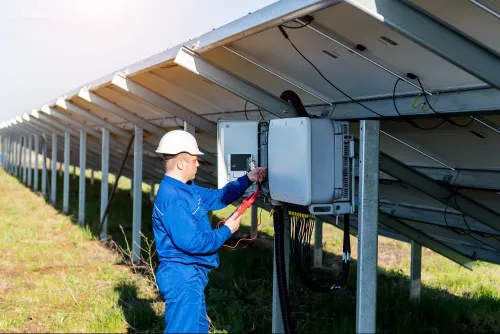
Maintenance is another aspect that should not be overlooked. Cleaning solar panels regularly, inspecting battery health, checking electrical connections, and monitoring inverter performance contribute to consistent system efficiency and a longer operational life.
Safety is equally important. Professional installation helps ensure that wiring, battery placement, surge protection, and earthing comply with recommended standards. Proper engineering reduces the risk of equipment damage and improves overall system reliability.
Maxvolt Solar Pvt Ltd provides customized off-grid solar solutions after assessing site conditions, electricity requirements, and future energy needs. Every project is designed to match the customer's specific application rather than following a standard configuration.
An off-grid solar system can be an excellent solution for locations seeking energy independence. By understanding electricity consumption, selecting quality components, and working with experienced professionals, homeowners, farmers, and businesses can build a reliable renewable energy system that serves their needs for many years.
Keywords