


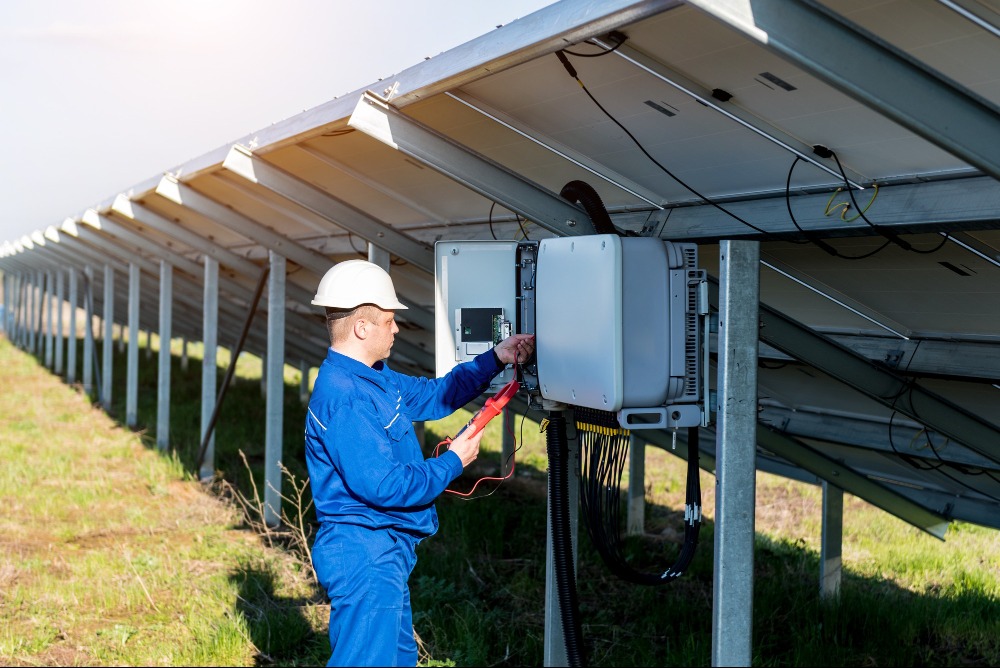
Generating electricity from rooftop solar is only one part of a grid-connected project. Property owners also need to understand how their solar plant interacts with the electricity distribution network. This is why the Solar Net Metering Process becomes important when planning a rooftop installation in Nagpur.
Net metering provides a mechanism for measuring electricity imported from the grid and electricity exported by an eligible rooftop renewable-energy system, with billing handled according to the applicable regulatory framework.
Why Net Metering Is Important
Solar generation changes throughout the day.
A rooftop system may produce more electricity than a property is using during certain daytime periods. At other times—particularly at night—the property will draw electricity from the grid.
A suitable metering arrangement records these energy flows so they can be accounted for under the applicable billing rules.
This makes net metering particularly relevant for homes and establishments where generation and consumption do not perfectly coincide.
The Process Starts Before Installation Is Complete
Customers sometimes assume that the installer simply replaces the electricity meter after installing the panels. In practice, grid connectivity involves an administrative and technical process.
MSEDCL publishes procedures, application documents, agreements, guidelines, and circulars for grid-interactive rooftop renewable-energy systems in Maharashtra. Its resources cover both net-metering and net-billing arrangements.
Depending on the applicable category and current procedure, the journey can involve application submission, technical feasibility, system installation, required documentation, meter-related formalities, inspection or verification, agreement requirements, and synchronization with the distribution network.
Information Should Match the Electricity Connection
One practical source of delay can be inconsistent information.
Before submitting an application, verify details such as:
- Consumer number
- Registered consumer name
- Electricity-connection category
- Sanctioned load
- Proposed solar capacity
- Property and installation information
- Contact details
- Required supporting documents
If a change to the existing electricity connection is necessary, it is better to identify this during planning instead of after the solar system has already been installed.
Technical Compliance Matters
A grid-connected solar system is effectively a small generating installation operating alongside the distribution network.
The project therefore requires appropriate electrical protection and engineering. Depending on system design and applicable standards, this can include inverter protections, AC and DC isolators, earthing, surge protection, suitable cabling, synchronization safeguards, and correctly configured equipment.
The objective is not merely to generate electricity but to connect the system safely and compliantly.
How Long Does Net Metering Take?
There is no responsible universal answer.
Timelines can depend on application accuracy, technical feasibility, documentation, inspection requirements, meter availability, utility workflow, and whether corrections are needed.
Homeowners should therefore be cautious if someone promises an exact approval date without considering the actual application.
Who Should Handle the Documentation?
Customers can benefit from choosing an EPC provider that understands both installation and the local grid-connectivity process.
Maxvolt Solar Pvt Ltd states that its turnkey solar EPC services include site surveys, system design, installation, commissioning, net-metering approvals, and after-sales support for projects in and around Nagpur.
This does not eliminate DISCOM procedures, but coordinated assistance can reduce avoidable documentation and installation mismatches.
Plan Net Metering at the Design Stage
Do not treat net metering as paperwork to be considered after the panels are installed.
Before approving a rooftop solar project, understand the proposed capacity, connection category, metering arrangement, application responsibilities, expected documentation, and technical requirements.
MSEDCL maintains official rooftop renewable-energy application information and guidelines for consumers in Maharashtra, making these resources the appropriate reference when current procedural details need confirmation.
For a Nagpur rooftop project, integrating the Solar Net Metering Process into the initial planning stage can make the transition from solar installation to operational grid-connected generation considerably more organised.