Rooftop solar and power backup solve related but different problems. Solar panels generate electricity when sufficient sunlight is available, while batteries store energy for later use. Customers searching for a Solar Battery System Nagpur should therefore begin by identifying what they actually want the battery to do.
For some users, the priority is backup during outages. Others want greater use of their own solar generation, reduced dependence on the grid, or continuity for selected critical equipment.
First Decide What Needs Backup
Trying to run every electrical load during an outage can make battery storage unnecessarily expensive.
Instead, separate essential loads from discretionary loads.
Essential loads might include:
- Lights
- Fans
- Wi-Fi and communication equipment
- Computers
- Security systems
- Selected refrigeration
- Critical office equipment
Large air conditioners, water heaters, heavy pumps, industrial machinery, and other high-power loads require considerably more storage and inverter capacity.
Battery Capacity and Power Are Different
This distinction is important.
Battery energy capacity, usually expressed in kWh, indicates how much energy can be stored. Power capability, expressed in kW, relates to how much load the system can support at a given time.
A battery can therefore have enough stored energy for several hours but still be unsuitable for a load with a very high instantaneous power requirement.
Correct sizing requires both numbers.
Calculate Backup Duration Realistically
Suppose a customer wants essential equipment to operate for several hours during an outage. The designer should estimate the combined load, expected operating duration, battery usable capacity, conversion losses, and reserve requirements.
Not every appliance runs continuously at its rated power, so load behaviour should also be considered.
A professional load schedule is much more reliable than selecting a battery based only on a salesperson's general recommendation.
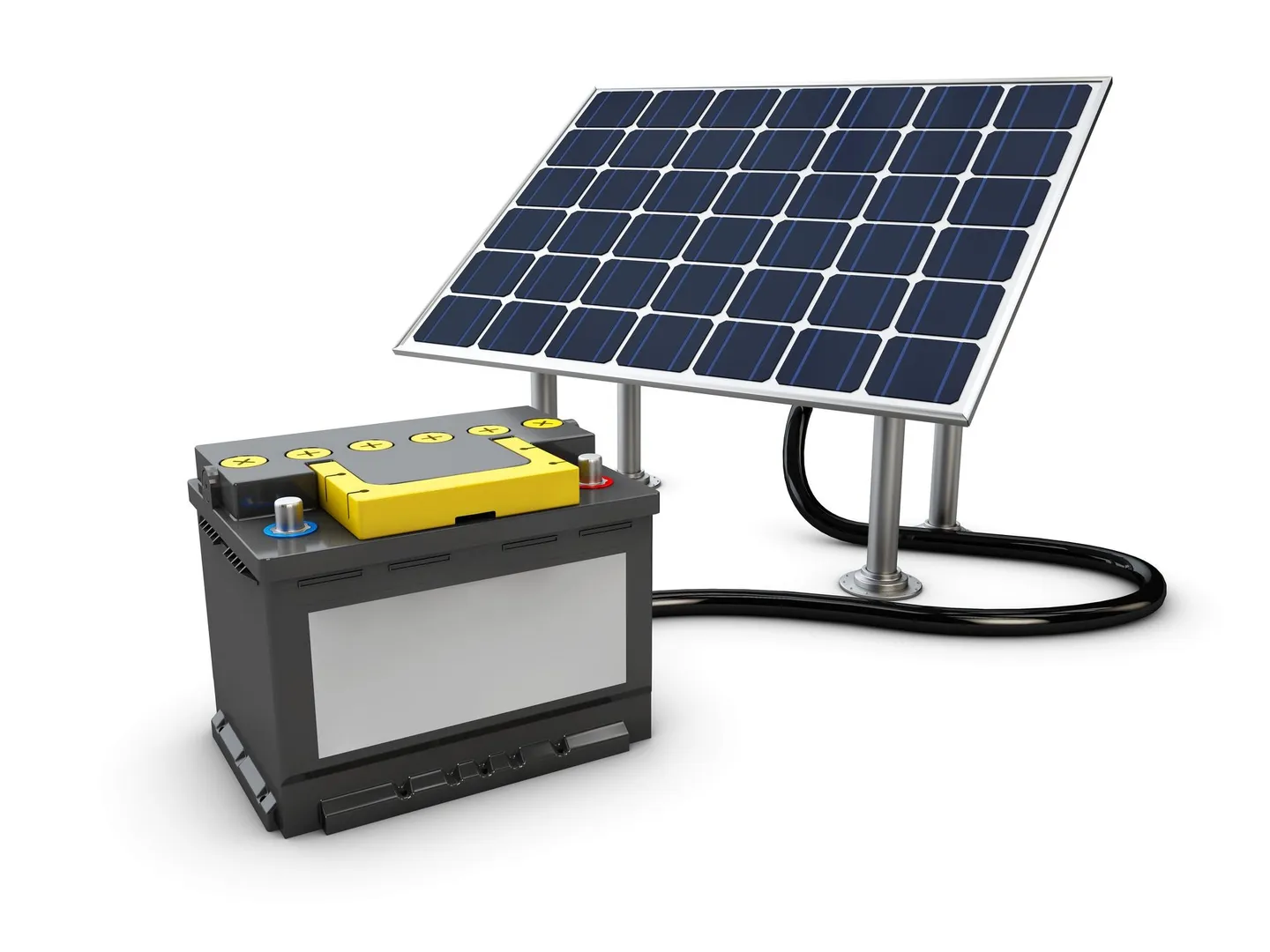
How Solar and Battery Storage Work Together
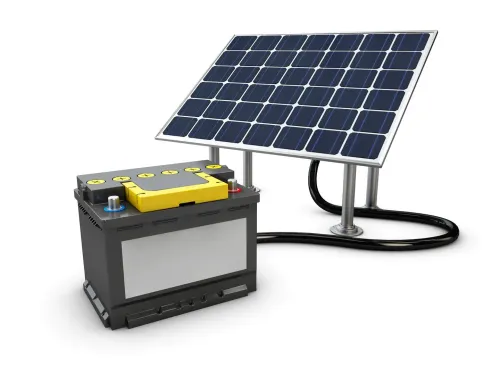
During daylight, solar electricity can serve active loads. Depending on system architecture and operating priorities, excess energy may charge batteries or interact with the grid.
When solar generation falls, stored battery energy can support selected loads.
The exact behaviour depends on whether the system is on-grid, off-grid, or hybrid and on the inverter and control strategy being used.
This is why batteries should be planned as part of the complete electrical system rather than added without checking compatibility.
Consider Nagpur's Operating Conditions
Battery installation location matters in a city with hot summers.
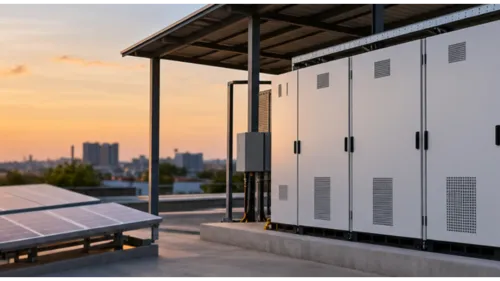
The storage area should meet manufacturer requirements for ventilation, temperature, clearances, protection from moisture, physical security, and maintenance access. Equipment should not simply be placed wherever unused space is available.
For commercial or larger installations, fire safety, electrical isolation, protection coordination, and operating procedures require additional attention.
Ask These Questions Before Buying
Before approving a Solar Battery System in Nagpur, ask the provider:
- What loads will receive backup?
- What backup duration is being designed for?
- What is the battery's usable energy capacity?
- What inverter or power-conversion equipment is required?
- Can the system integrate with the proposed or existing solar plant?
- What warranty conditions apply?
- What monitoring is available?
- What safety protections are included?
- Can the storage capacity be expanded later?
These questions make quotations easier to compare because they focus on performance rather than battery size alone.
Design Storage Around the User
A household needing lights and fans during short outages requires a very different solution from a hospital, office, factory, or commercial facility that needs continuity for critical operations.
Maxvolt Solar Pvt Ltd provides solar energy solutions in Nagpur for residential, commercial, industrial, and institutional customers. For storage-based projects, integrating the battery requirement with the solar and electrical design helps avoid both insufficient backup and unnecessary oversizing.
The best Solar Battery System is therefore not necessarily the largest one. It is the system correctly matched to critical loads, required backup time, solar generation, operating conditions, safety requirements, and future energy plans.
Keywords