Installing Rooftop Solar Nagpur property owners can depend on starts well before panels arrive at the site. The decisions made during assessment and proposal review influence system capacity, equipment selection, installation quality, maintenance access, and long-term usability.
For homeowners, businesses, industries, and housing societies, a structured pre-installation review can prevent many common project problems.
Review at least several months of electricity consumption
Do not select system capacity from one electricity bill.
Nagpur properties can experience seasonal changes in consumption, particularly during hotter months. Review enough billing history to understand average and peak usage.
Businesses should also examine operating hours and daytime loads because these can influence how directly solar generation is consumed.
Confirm how much roof area is genuinely usable
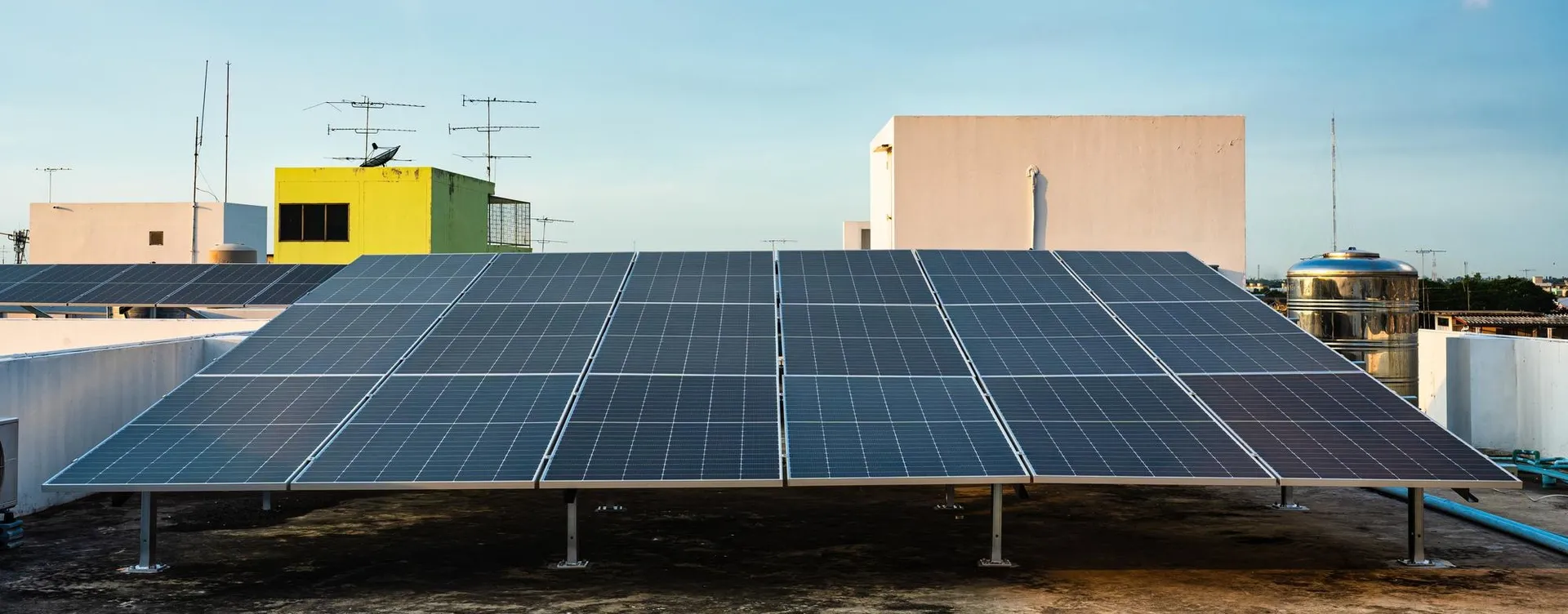
Measure the installation area after accounting for obstructions and shade.
Check for:
- Water tanks
- Staircase rooms
- Parapets
- Trees
- Nearby buildings
- Ventilation equipment
- Pipelines
- Maintenance pathways
- Future rooftop construction
A shadow analysis can provide a clearer understanding of how obstructions may affect different parts of the array.
Decide what you want solar to achieve
Different objectives can lead to different system designs.
If reducing grid electricity consumption is the main priority, an on-grid configuration may be considered.
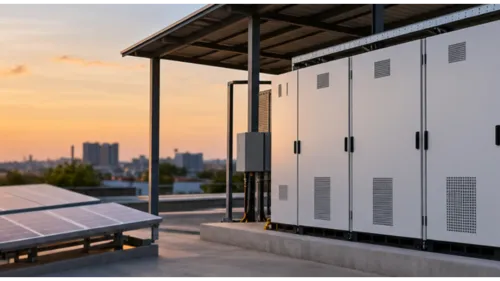
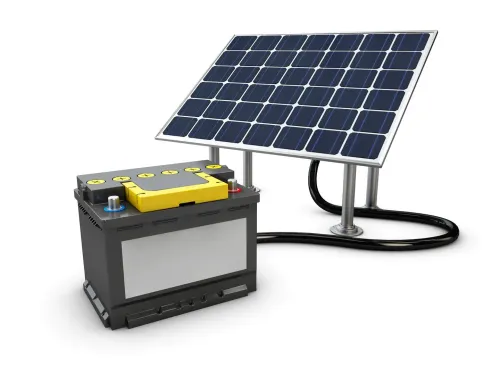
If backup electricity is important, discuss hybrid solar and battery storage.
If the property is commercial or industrial, evaluate load patterns and electrical infrastructure before determining capacity.
Clarifying the objective prevents buyers from paying for features they do not need or overlooking functionality they expected to receive.
Examine every major component
Before approving a quotation, identify the exact specifications for the solar modules, inverter, mounting structure, cables, protection equipment, monitoring system, and battery if storage is included.
If Reliance modules or another particular technology has been proposed, ask for the relevant datasheet rather than relying on the brand name alone.
Understand expected generation
Ask how the generation estimate was calculated.
Actual solar output can vary with irradiation, temperature, weather, dust, shading, module orientation, system losses, equipment condition, and maintenance.
A useful proposal should explain its assumptions clearly enough for the customer to understand what the estimate represents.
Review grid and documentation requirements
For grid-connected projects, understand the applicable procedures relating to the electricity connection, metering, approvals, inspection, and commissioning.
Residential consumers considering government rooftop programmes should also confirm current eligibility and documentation requirements.
Because rules can change, the project should follow the requirements applicable at the time of application in Maharashtra.
Ask about installation and handover
Before work begins, clarify:
- Installation scope
- Expected system configuration
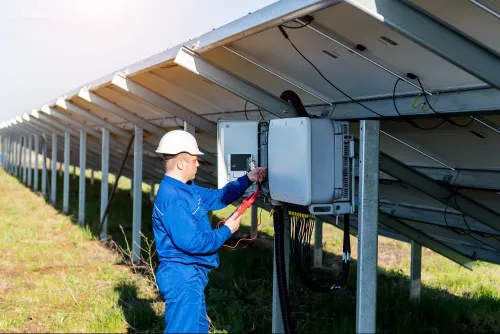
- Electrical safety provisions
- Monitoring access
- Warranty documentation
- Maintenance guidance
- Handover documents
- After-sales support process
For commercial and industrial sites, project planning should also consider access, operational schedules, and coordination with existing electrical systems.
Maxvolt Solar Pvt Ltd works with residential, commercial, and industrial customers in Nagpur on rooftop solar and energy-storage requirements. A site-specific assessment can help determine suitable capacity, technology, configuration, and installation planning before the project is finalised.
A rooftop solar purchase should not be reduced to comparing the lowest cost per kilowatt.
The stronger approach is to compare system design, equipment, installation scope, generation assumptions, warranties, service support, and suitability for the property.
Before approving your rooftop solar project in Nagpur, make sure the proposed system answers three basic questions clearly: how much electricity the property uses, how effectively the available roof can support solar generation, and why the recommended configuration fits the property's long-term energy requirements.
Keywords