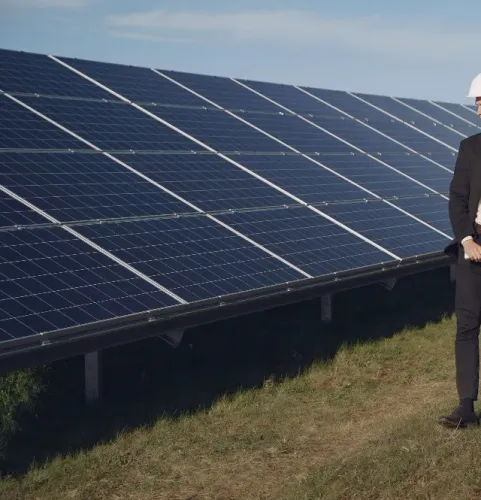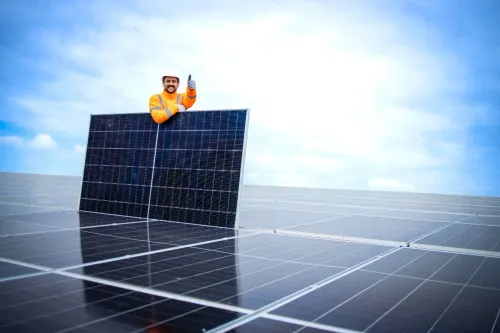
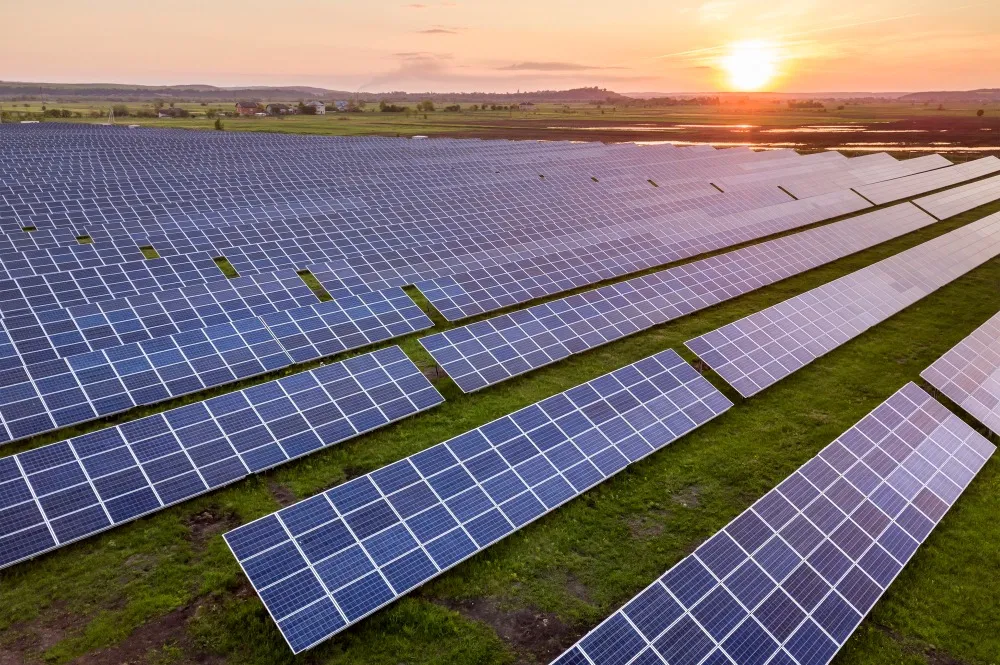
Electricity costs continue to rise, making many homeowners and businesses in Nagpur look for practical ways to reduce their monthly power bills. One of the most popular options today is an On Grid Solar System, which allows users to generate electricity from sunlight while staying connected to the local electricity grid. This type of system is ideal for locations that already have a reliable power supply and want to maximize long-term savings without depending entirely on batteries.
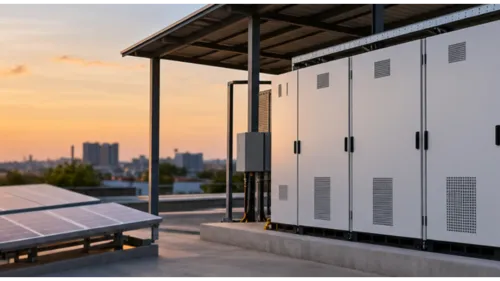
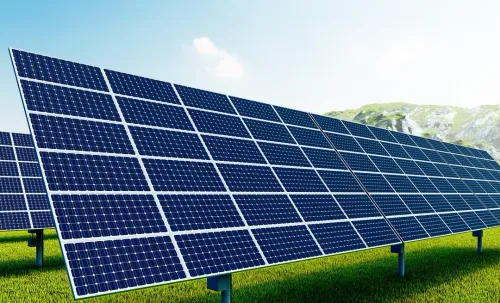
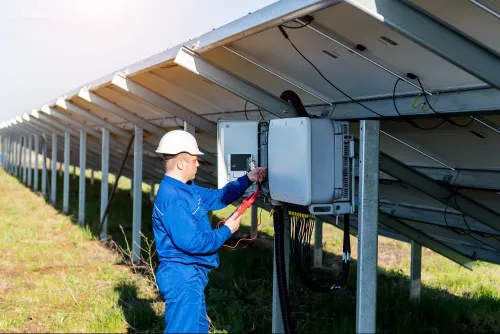
An on-grid solar system consists of solar panels, a solar inverter, mounting structures, electrical protection devices, and a bidirectional electricity meter. During the day, the solar panels convert sunlight into direct current (DC), which is then converted into usable alternating current (AC) by the inverter. The electricity generated is used to power appliances, lighting, air conditioners, machinery, or office equipment. If the system produces more electricity than is needed, the surplus power can be exported to the electricity grid through net metering, depending on local regulations.
For residents and businesses across Maharashtra, this setup offers several practical advantages:
- Lower monthly electricity bills
- Better utilization of rooftop space
- Reduced dependence on conventional electricity
- Environmentally friendly power generation
- Long operational life with proper maintenance
Many people assume solar energy only works during extremely hot weather. In reality, solar panels generate electricity from sunlight, not heat. Even on cloudy days, they continue producing power, although at a reduced efficiency. Nagpur enjoys abundant sunshine for most of the year, making it a favorable location for rooftop solar installations.
Choosing the right system size is an important decision. A small household with moderate electricity usage may require a lower-capacity installation, while larger homes, commercial establishments, educational institutions, hospitals, warehouses, and manufacturing units often need customized systems based on their daily consumption patterns. Reviewing previous electricity bills provides valuable insight into the capacity required.
Before installation, it is useful to evaluate a few key factors:
- Available shadow-free rooftop area.
- Daily electricity consumption.
- Roof strength and orientation.
- Local electricity distribution company guidelines.
- Future expansion requirements.
Maintenance requirements for an on-grid system are relatively low. Regular cleaning of the solar panels helps remove dust, bird droppings, and debris that may reduce energy production. Periodic inspections of wiring, mounting structures, and inverter performance also contribute to consistent system efficiency.
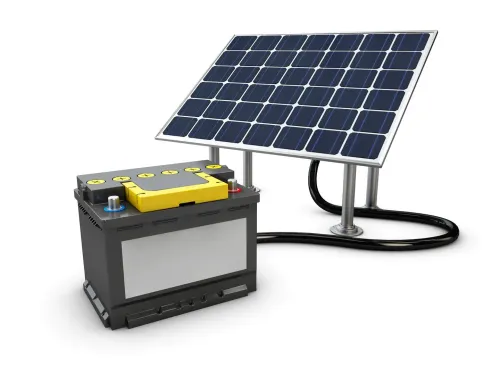
Another common question concerns power outages. Since an on-grid solar system is synchronized with the electricity grid, it generally shuts down during grid failures as a safety measure for maintenance personnel working on power lines. Those requiring backup during outages may need additional battery-based solutions or hybrid systems.
The quality of installation also plays a significant role in long-term performance. Proper engineering, accurate system design, safe electrical connections, and compliance with applicable standards help ensure reliable operation for many years. Working with experienced professionals reduces the likelihood of installation-related issues and supports better energy generation over time.
Maxvolt Solar Pvt Ltd provides rooftop solar solutions designed for residential, commercial, and industrial applications in Nagpur. The company evaluates each site individually to recommend systems suited to the property's energy needs rather than offering a one-size-fits-all approach.
As more families and businesses explore renewable energy, understanding how an on-grid solar system functions helps them make informed decisions. With abundant sunlight, supportive renewable energy initiatives, and increasing awareness of sustainable living, rooftop solar continues to be a practical investment for reducing electricity expenses while contributing to cleaner energy generation.
Keywords