Installing a rooftop solar system is a significant investment, and every property may not have the same technical requirements. Before moving forward, it is helpful to evaluate whether your home, business, commercial building, or industrial facility is truly ready for solar energy. Using a simple readiness checklist can make the planning process more straightforward and help avoid unexpected challenges later.
The first consideration is your electricity usage. Properties with consistently high monthly electricity consumption often experience greater long-term benefits from rooftop solar. Reviewing electricity bills from the past 12 months provides a clearer picture of average energy demand and seasonal variations.
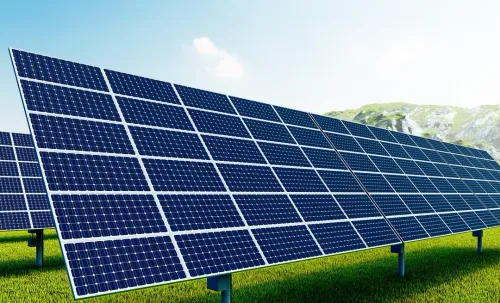
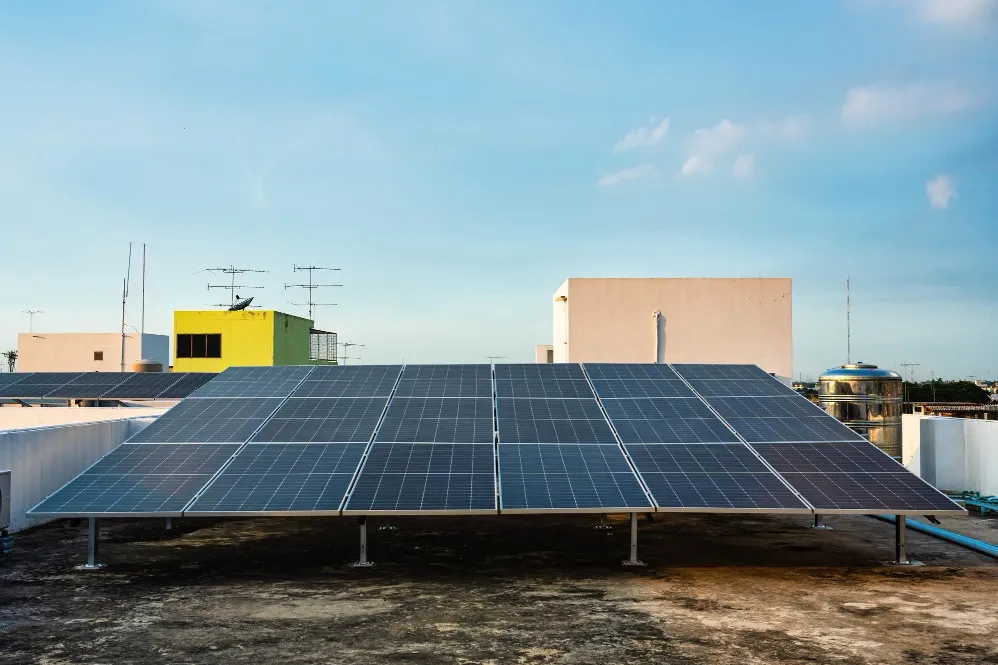
Next, examine your rooftop. A suitable roof should receive ample sunlight during the day with minimal shading from nearby buildings, water tanks, trees, or other structures. The available installation area also determines how many solar panels can be accommodated.
A practical checklist before planning a solar installation includes:
- Adequate shadow-free rooftop space
- Strong roof structure capable of supporting the installation
- Consistent electricity consumption
- Suitable electrical infrastructure
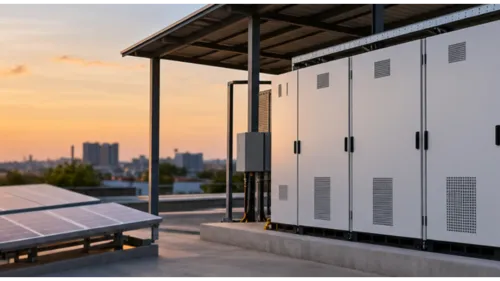
- Space for inverter and safety equipment
- Accessibility for future maintenance
Another important aspect is understanding your energy goals. Different customers have different priorities. Some homeowners wish to reduce electricity bills, while businesses may focus on lowering operating costs. Farmers may require reliable daytime electricity for irrigation, whereas commercial establishments often seek predictable long-term energy expenses.
Financial planning is equally important. Buyers should estimate the overall project cost, explore available financing options, and review any applicable government schemes before making a final decision. Understanding the expected return on investment allows better budgeting and informed decision-making.
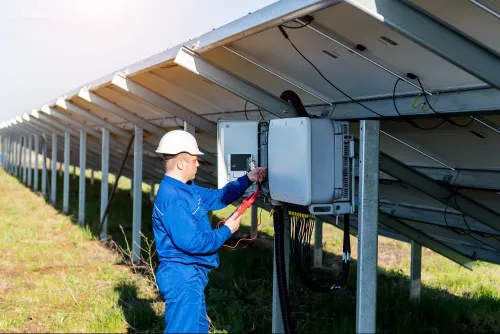
Professional site assessment adds significant value during this stage. Experienced solar engineers evaluate roof orientation, structural suitability, shading patterns, and expected annual electricity generation using technical calculations rather than assumptions.
Property owners should also think about future requirements. Additional air conditioners, electric vehicles, production equipment, or expanded business operations may increase electricity demand in the coming years. Planning for future expansion during the initial design phase can simplify upgrades later.
Safety should remain a priority throughout the project. Proper earthing, surge protection, certified electrical components, and professional installation practices contribute to reliable operation and help protect both the equipment and the property.
For customers in Nagpur and across Maharashtra, favourable sunlight conditions create strong potential for rooftop solar generation throughout most of the year. However, every property has unique characteristics that should be evaluated individually before selecting a system size or equipment configuration.
Maxvolt Solar Pvt Ltd conducts detailed site assessments to understand each customer's energy requirements, roof conditions, and long-term objectives before recommending a suitable solar solution. This consultative approach helps ensure that every installation is designed around actual usage rather than generic assumptions.
Rooftop solar is not simply about installing panels—it is about designing a system that matches your property's energy needs for years to come. Taking time to assess technical readiness, financial planning, and future electricity requirements provides the foundation for a successful and sustainable investment in renewable energy.
Keywords