Choosing between an on-grid and Hybrid Solar System is an important decision for homeowners and businesses planning rooftop solar. Both use solar panels to generate electricity, but they are designed around different priorities.
For properties in Nagpur, the right choice depends on electricity consumption, backup requirements, budget, grid conditions, and how the property owner expects to use solar energy.
How an on-grid solar system works
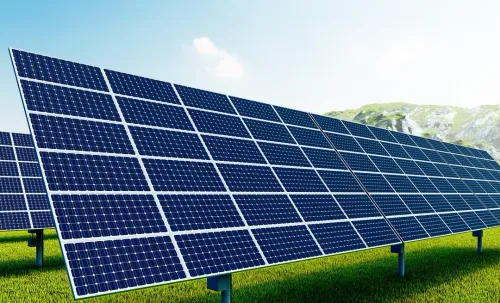
An on-grid system operates in coordination with the electricity grid. Solar energy generated during the day can support the property's electrical demand, while grid electricity remains available when solar generation is insufficient.
Where applicable, excess generation may interact with the grid according to prevailing net-metering or related regulations.
On-grid systems are commonly considered when the primary objective is reducing dependence on purchased grid electricity during normal operation.
Because conventional on-grid systems generally shut down during a grid outage for safety reasons, they should not automatically be treated as backup-power systems.
What changes with a hybrid system
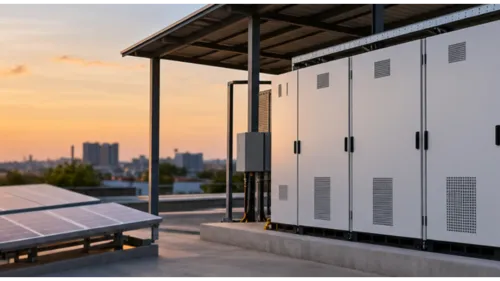
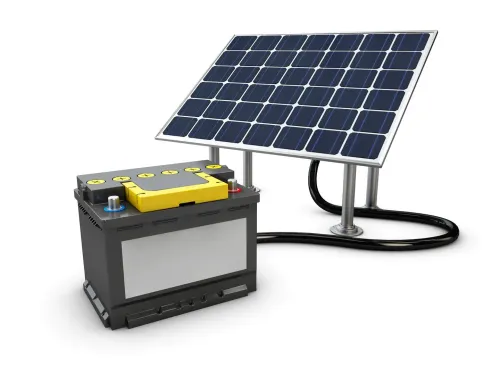
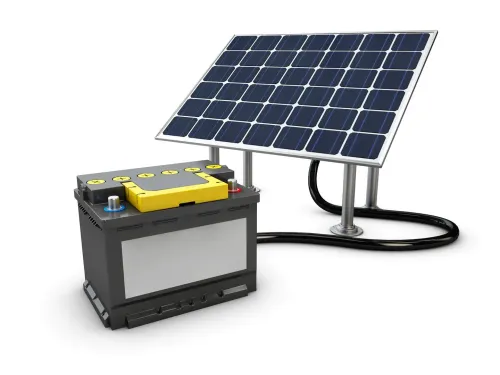
A hybrid configuration adds energy-storage capability to the solar setup.
Depending on system design, solar energy can be used for immediate loads, stored in a battery, or managed alongside grid electricity. This makes hybrid systems relevant to customers who value backup capability or want greater flexibility in managing generated energy.
However, adding battery storage also changes project cost, system design, equipment requirements, and maintenance considerations.
Compare the two according to your objective
An on-grid system may make more sense when:
- Grid supply is generally reliable
- The primary goal is electricity-cost optimisation
- Battery backup is not essential
- The property has significant daytime consumption
- Applicable grid-connected solar arrangements are suitable
A hybrid configuration may deserve consideration when:
- Backup electricity is important
- Certain essential loads must continue during outages
- Energy storage is part of the owner's long-term plan
- The property requires greater energy-management flexibility
- The additional battery investment fits the project budget
Battery capacity needs separate planning
One common mistake is assuming that adding any battery will provide whole-house backup for long periods.
Battery sizing should be based on the loads that need backup and how long they need to operate. Lights, fans, Wi-Fi, refrigeration, office computers, pumps, and air conditioners have very different energy requirements.
Separating essential and non-essential loads can make a hybrid project more practical.
Consider Nagpur's actual site conditions
Solar system selection should also account for available roof area, shading, module layout, inverter location, electrical infrastructure, and consumption patterns.
Commercial properties may have substantial daytime loads that align well with solar generation. Residential customers may place greater value on evening energy usage and backup.
Maxvolt Solar Pvt Ltd works with residential and commercial customers in Nagpur to assess these factors before recommending a system configuration. The objective is to match equipment and capacity to the property's actual requirements rather than applying one configuration to every project.
Which option should you choose
If your main priority is generating rooftop solar electricity economically while remaining connected to a reliable grid, an on-grid configuration may be appropriate.
If backup power and energy storage are central requirements, a hybrid system may justify the additional investment.
Neither configuration is universally superior. The better option is the one that addresses the property's energy profile, budget, grid conditions, and future requirements.
For buyers in Nagpur and across Maharashtra, defining the purpose of the project before comparing quotations can prevent unnecessary expenditure and lead to a solar system that is better aligned with everyday electricity use.
Keywords