When people plan a rooftop solar installation, most attention goes to the solar panels. However, the Solar Inverter is equally important because it converts the direct current (DC) generated by solar panels into alternating current (AC) that powers everyday appliances. A well-matched inverter improves system performance, enhances safety, and helps maximize the electricity produced throughout the year.
Choosing the right inverter starts with understanding your energy requirements rather than simply selecting the highest-rated model. Every property has a different electricity consumption pattern. A residential home, office, retail outlet, manufacturing unit, or educational institution may all require different inverter capacities depending on the connected load and daily usage.
There are several types of solar inverters available in the market:
- String Inverters
- Micro Inverters
- Hybrid Inverters
- Central Inverters for large commercial projects
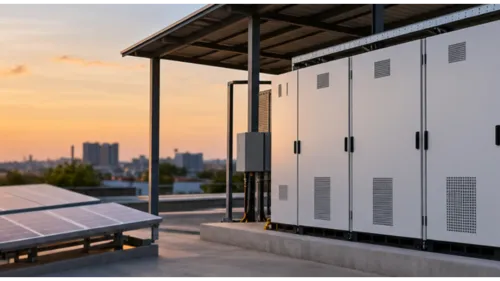
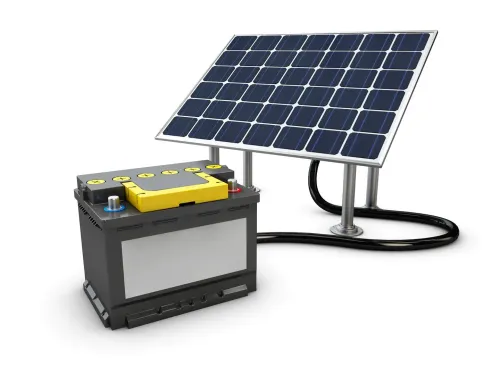
Each serves a different purpose. String inverters are commonly used for residential and small commercial rooftop systems, while hybrid inverters are suitable for installations that include battery storage. Larger industrial projects often require centralized solutions based on system capacity.
When comparing solar inverters, consider these factors:
- Capacity compatibility with the solar system.
- Conversion efficiency.
- Safety features and protection mechanisms.
- Monitoring capabilities through mobile apps or web platforms.
- Warranty offered by the manufacturer.
- Service availability in your region.
- Expandability for future system upgrades.
One common mistake is purchasing an inverter without considering future electricity needs. For example, a family planning to install electric vehicle charging or additional air-conditioning units in the coming years should discuss expansion possibilities before finalizing the system.
Another consideration is system monitoring. Modern solar inverters allow users to monitor daily electricity generation, monthly performance, and historical energy production through digital platforms. This helps identify performance issues early and ensures the system continues operating efficiently.
Weather conditions also influence inverter selection. Nagpur experiences high temperatures during summer, making it important to choose equipment designed to operate reliably in demanding climatic conditions. Proper ventilation and professional installation further improve the inverter's lifespan.
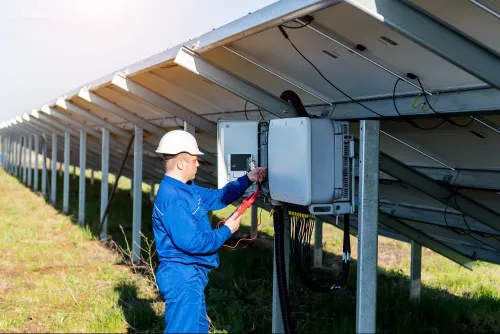
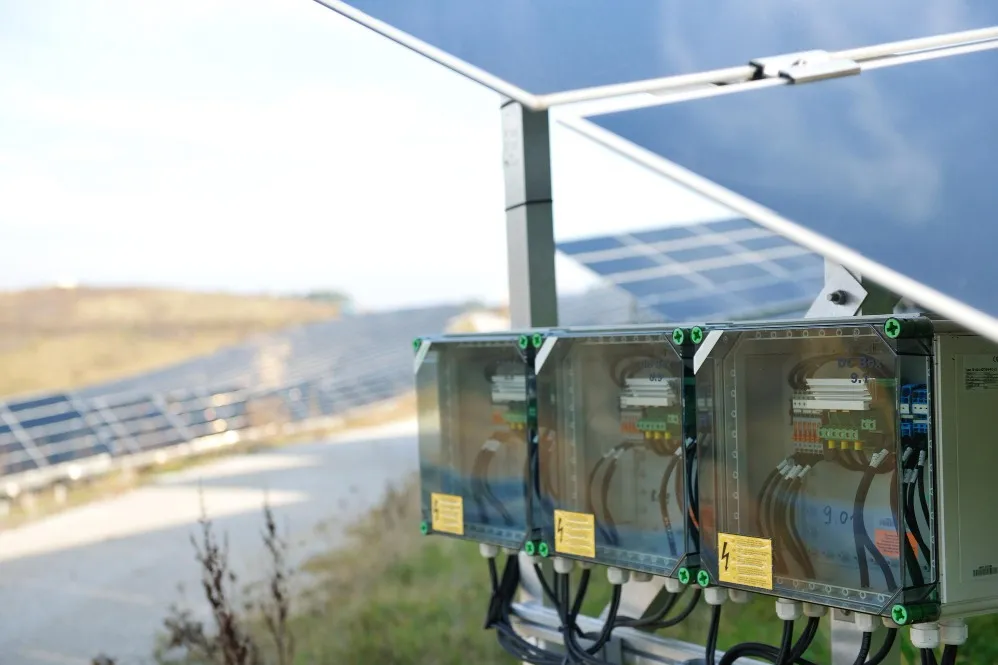
Installation quality plays a crucial role as well. Even a high-quality inverter may not perform as expected if wiring, earthing, surge protection, and electrical connections are not installed correctly. This is why experienced installation practices remain essential for every rooftop solar project.
Businesses should also consider operational continuity. Commercial properties often have higher electricity demands and may require inverters with advanced monitoring, load management, and scalability features to accommodate future expansion.
Maxvolt Solar Pvt Ltd evaluates energy consumption, rooftop conditions, and customer requirements before recommending suitable inverter solutions for residential, commercial, and industrial projects in Nagpur. This approach ensures that the inverter complements the overall system design rather than becoming a limiting factor later.
A solar inverter is much more than a supporting component—it is the control centre of a rooftop solar system. Taking time to understand different inverter technologies, evaluating technical specifications, and choosing a solution that matches both present and future requirements can significantly improve the long-term performance and reliability of your solar investment.
Keywords