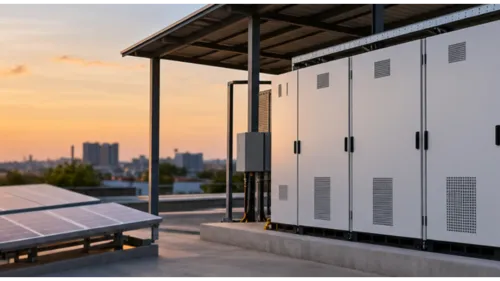
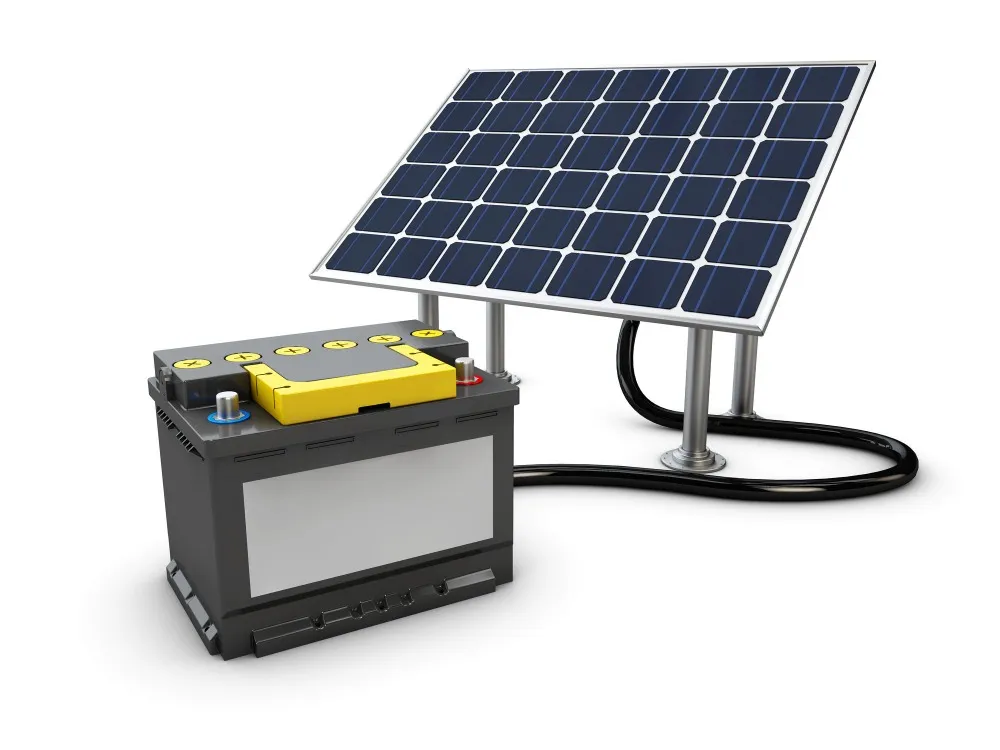
Adding storage to a solar system changes how electricity can be managed. It can provide backup capability and, depending on the system design, allow solar-generated electricity to be stored for later use. But choosing a Solar Battery requires more than comparing capacity numbers.
For buyers in Nagpur, the correct battery depends on the load, required backup duration, system configuration, battery technology, installation conditions, and future energy requirements.
Start with the loads you want to support
Before asking how large the battery should be, decide what needs to operate during backup.
For a home, essential loads might include lights, fans, Wi-Fi, television, refrigerator, and selected sockets. Larger appliances can significantly increase the required battery and inverter capacity.
Commercial properties should similarly separate essential operations from non-critical loads.
This simple exercise can prevent unnecessary oversizing.
Understand usable battery capacity
The capacity printed on a battery specification is not the only figure that matters. Buyers should understand how much of that capacity is intended to be usable under the manufacturer's recommended operating conditions.
Battery chemistry, depth of discharge, control settings, and system design can influence usable energy.
When comparing proposals, make sure capacity figures are being presented on a comparable basis.
Examine battery technology
Different battery technologies have different characteristics relating to energy density, cycle life, maintenance, installation, and cost.
Lithium-based solutions have become increasingly relevant in modern energy-storage applications because of their energy density and operational characteristics. However, the specific chemistry, battery-management system, manufacturer specifications, and compatibility with the rest of the solar installation should be reviewed.
Battery selection should never be separated from inverter compatibility.
Think about Nagpur's operating environment
Temperature can affect battery operation and lifespan, making installation location important.
A battery should not simply be placed wherever unused space happens to be available. The location should comply with manufacturer requirements and consider heat exposure, moisture, accessibility, ventilation or thermal management, and electrical safety.
This is especially relevant in Nagpur, where summer temperatures can be demanding.
Ask about monitoring and protection
Modern storage systems may offer monitoring that allows users to view charging, discharging, state of charge, and other operating information.
Protection systems are equally important. Depending on the battery and installation, appropriate electrical protection and a battery-management system can help manage operating parameters.
Customers should ask the installer to explain these features rather than treating them as technical details that do not matter.
Plan for future requirements
A household may expect to add air conditioning, an electric vehicle, or more electrical appliances. A business may expand its equipment or operating hours.
Not every battery system can be expanded in the same way. If future growth is likely, ask whether the proposed architecture supports additional storage and what limitations apply.
Maxvolt Solar Pvt Ltd helps customers in Nagpur evaluate battery storage as part of an integrated solar solution. Matching the battery to the actual load profile can be more valuable than simply choosing the largest capacity within the budget.
The right battery is one that works safely and effectively with the solar modules, inverter, electrical system, and intended backup loads.
For residential and commercial customers across Maharashtra, comparing usable capacity, technology, compatibility, operating conditions, warranty terms, and expected backup needs provides a far better buying framework than comparing price per battery alone.
Keywords