One of the first questions homeowners ask about rooftop solar is how much capacity they need. The answer cannot be determined from house size alone. A Residential Solar System Nagpur homeowners choose should ideally be based on electricity consumption, usable rooftop area, daytime load, shading, and the type of system being installed.
Correct sizing matters because both undersizing and oversizing can affect the financial and practical value of the installation.
Begin with your electricity bills
Collect electricity bills covering several months, preferably enough to show seasonal changes.
A Nagpur household may use significantly more electricity during warmer periods because of air conditioners, coolers, refrigerators, and other appliances. Looking at only one low-consumption month can therefore give an incomplete picture.
Calculate the approximate average consumption while also identifying months with unusually high demand.
Next, consider whether electricity usage is likely to increase. Planned air conditioners, additional floors, home offices, electric vehicles, or new appliances can influence future requirements.
Understand when electricity is consumed
Total monthly consumption is important, but the timing of consumption also matters.
A home occupied throughout the day may directly use a larger share of solar generation. A household that remains largely empty during working hours may have a different consumption pattern.
The system configuration and applicable net-metering arrangement can influence how exported and imported electricity is accounted for, so this should be considered during project planning.
Measure usable roof area rather than total roof area
A 1,000-square-foot terrace does not necessarily provide 1,000 square feet for solar modules.
Space may be occupied or affected by:
- Water tanks
- Staircase structures
- Parapet shadows
- Plumbing
- Satellite equipment
- Adjacent buildings
- Trees
- Required maintenance pathways
A site survey identifies the area that can actually be used without creating unnecessary shading or access problems.
Select the system type carefully
Residential projects can use different configurations.
An on-grid system is connected to the electricity grid and is commonly considered where grid interaction and applicable net-metering arrangements are available.
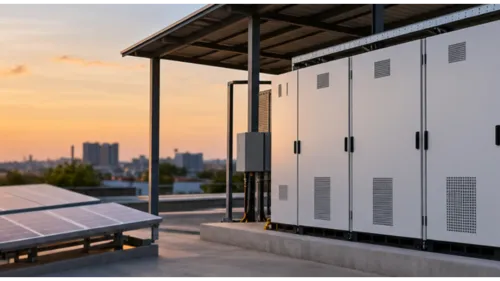
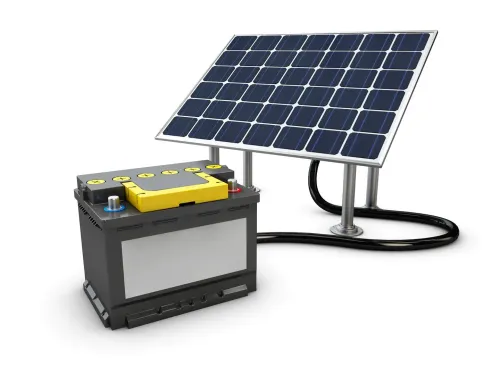
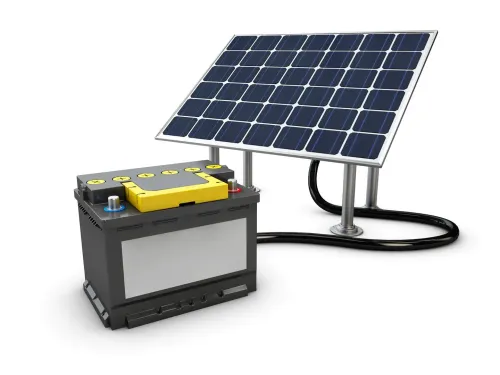
A hybrid system combines solar with energy-storage capability and can be relevant when homeowners want backup functionality or greater control over stored energy.
The right option depends on the homeowner's objective. Reducing grid electricity consumption and maintaining backup power are related but different requirements.
Do not size a system from generic online formulas alone
Online calculators can provide an initial estimate, but they cannot see the actual rooftop.
Two homes with similar electricity bills may need different designs because one has an open south-facing installation area while another experiences significant shading.
Module efficiency also affects space requirements. Higher-output or higher-efficiency panels can change how much capacity fits within a restricted roof.
Request a generation estimate
A professional proposal should explain the expected system capacity and estimated energy generation based on reasonable assumptions.
It should also make clear that actual output varies with weather, temperature, shading, cleaning, equipment performance, and site conditions.
Maxvolt Solar Pvt Ltd evaluates residential properties in Nagpur to match rooftop conditions with household electricity requirements. Such an assessment can help homeowners avoid selecting capacity solely from a generic package size.
The most suitable residential solar system is not automatically the largest one a roof can accommodate. It is the system whose capacity, technology, configuration, and layout align sensibly with the household's electricity profile and long-term plans.
For homeowners across Nagpur and Maharashtra, beginning with actual consumption and a proper rooftop assessment makes the entire solar buying process more informed.
Keywords