Installing rooftop solar has become more accessible than ever, thanks to various government initiatives that encourage the use of renewable energy. One topic that frequently interests homeowners is the Solar System Subsidy, as financial assistance can significantly reduce the initial investment required for a rooftop solar installation.
A solar subsidy is a government-supported financial benefit provided to eligible residential consumers who install approved rooftop solar systems. These programs are designed to promote clean energy adoption while helping households reduce long-term electricity expenses. Although subsidy structures and eligibility may change over time, understanding the basic process can help homeowners prepare before starting their solar journey.
Most subsidy programs are intended for residential properties. Commercial establishments, industries, and large institutional projects may have different financial models and are generally not covered under residential subsidy schemes. Therefore, verifying eligibility before planning an installation is essential.
A typical subsidy process involves the following steps:
- Checking eligibility under the applicable government scheme.
- Selecting an approved solar installer.
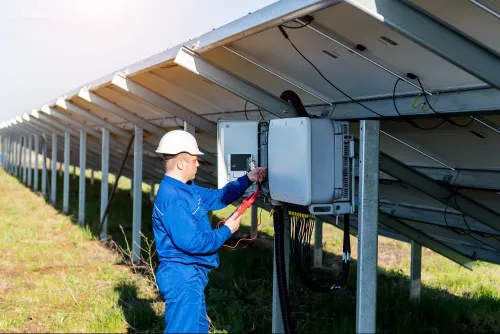
- Conducting a technical site survey.
- Installing the rooftop solar system according to required standards.
- Completing inspection and documentation.
- Receiving approval from the relevant authorities.
- Processing subsidy benefits as per prevailing guidelines.
Proper documentation plays an important role throughout the application process. Homeowners are usually required to submit proof of ownership, identity documents, electricity consumer details, bank information, and other records specified by the implementing authority.
Many homeowners ask whether installing a larger solar system automatically results in a higher subsidy. In practice, subsidy calculations generally follow predefined government rules based on system capacity and applicable policy limits. Understanding these guidelines beforehand helps set realistic expectations.
Several factors influence the overall financial value of installing rooftop solar:
- Monthly electricity consumption
- Roof size and usable installation area
- Type of solar components selected
- Installation quality
- Applicable government incentives
- Long-term electricity savings
Homeowners should also be cautious about misleading claims regarding subsidy approvals. Genuine installations follow official procedures, inspections, and documentation requirements. Promises of guaranteed approvals without proper verification should always be approached carefully.
Another important consideration is selecting quality equipment. While subsidy assistance reduces installation costs, choosing reliable solar panels, inverters, and mounting structures contributes significantly to long-term system performance. A lower upfront cost should never come at the expense of safety or durability.
Nagpur's favorable sunlight conditions make rooftop solar particularly attractive for homeowners looking to reduce dependence on conventional electricity. Combined with government support for renewable energy adoption across Maharashtra, solar installations continue to gain popularity among families planning long-term energy savings.
Maxvolt Solar Pvt Ltd assists residential customers by explaining the subsidy process, helping with documentation requirements, and designing rooftop systems that comply with applicable technical standards. This guidance allows homeowners to better understand each stage before making an investment.
Government subsidy programs continue to encourage wider adoption of solar energy, but every installation should begin with accurate information rather than assumptions. By understanding eligibility, documentation, installation standards, and financial planning, homeowners can confidently move toward cleaner, more cost-effective electricity generation while making the most of available renewable energy initiatives.
Keywords